0
 0
VIENNA, Nov. 2, 2026 — Stargazers can look forward to a month packed with celestial highlights in November, from a striking planetary alignment and meteor showers to a dazzling supermoon at the end of the month.
For those who enjoy observing the night sky, November offers several opportunities to spot planets, meteors and the Moon without the need for sophisticated equipment.
A Month for Casual Skywatchers
November is particularly appealing for people who prefer not to stay up late or wake before dawn. Saturn remains visible throughout the month shortly after sunset, making it one of the easiest planets to observe.
The ringed planet can be seen as soon as darkness falls and is best viewed between 7 p.m. and 10 p.m.
Planet Parade Begins November 11
One of the month’s most anticipated events starts on Nov. 11, when a planetary lineup becomes visible in the early morning sky.
Through the end of November, Mercury, Venus, Jupiter and Mars will form an arc across the horizon. Early risers will have the best chance to witness the display. Jupiter and Mars can be seen from around midnight, Venus appears at approximately 4:30 a.m., and Mercury rises shortly before sunrise at around 6 a.m.
The ideal viewing time to see all four planets together is around 6:30 a.m.
Astronomy enthusiasts will also be treated to a particularly close approach between Mars and Jupiter on Nov. 15. The two planets will appear so near each other that both can be viewed within the same binocular field of view.
Leonid Meteor Shower Peaks Mid-Month
Those hoping to catch a shooting star and make a wish should mark the night of Nov. 17-18 on their calendars.
The annual Leonid meteor shower reaches its peak during this period, with observers able to see up to 15 meteors per hour under favorable viewing conditions.
The best chances for spotting meteors will be in the hours before dawn, away from city lights and under clear skies.
November Supermoon Lights Up the Sky
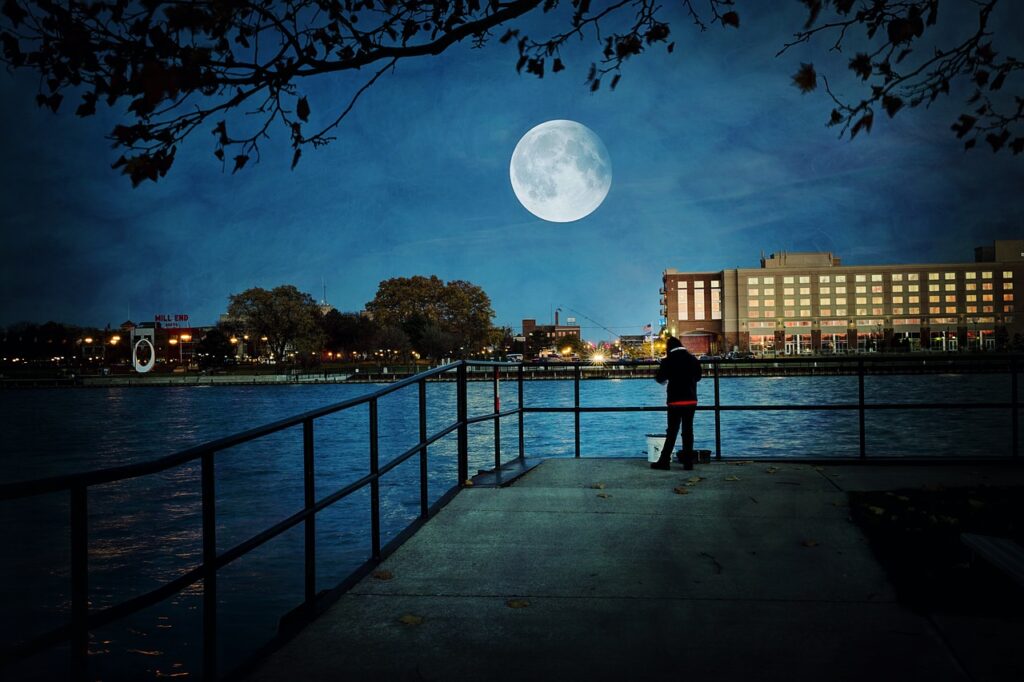
The month’s final celestial highlight arrives on Nov. 24, when the full Moon reaches its peak phase.
This year’s November full moon will be a supermoon, meaning it occurs when the Moon is relatively close to Earth in its orbit. As a result, it will appear larger and brighter than a typical full moon.
The November full moon is traditionally known as the Beaver Moon, while some cultures also refer to it as the Wind Moon.
With bright planets, shooting stars and an unusually large full moon all on display, November promises to be one of the year’s most rewarding months for skywatching.
- source: oe24.at/picture: pixabay.com



This post has already been read 300 times!